
Indala Institute of Pharmacy · Academic Department
Pharmacognosy
Pharmacognosy can be defined as the science of biogenic or naturally derived drugs, pharmaceuticals, and poisons. It incorporates various modern analytical techniques to authenticate and quality-control crude drugs as well as purified active extracts, fractions, and components, and even medicinal foods.
Overview
About the Department
Pharmacognosy can be defined as the science of biogenic or naturally derived drugs, pharmaceuticals, and poisons. It incorporates various modern analytical techniques to authenticate and quality-control crude drugs as well as purified active extracts, fractions, and components, and even medicinal foods.
Pharmacognosy, derived from the Greek words 'pharmakon' (drug) and 'gnosis' (knowledge), is probably the oldest modern science - generally the study of crude drugs of plant and animal origin in the form of tinctures, teas, poultices, powders, and other herbal formulations. It incorporates authentication and quality control of such drugs based on macroscopic and microscopic examinations.
The term Pharmacognosy was first introduced by the Austrian physician Schmidt in 1811. Pharmacognosy has always been a translational or multidisciplinary science, and during its evolution, phytochemistry and phytochemical analysis have become integral parts of Pharmacognosy.
Principles
Vision & Mission
Vision
To strengthen natural product knowledge, herbal science, and quality authentication among pharmacy graduates, contributing to evidence-based traditional medicine.
Mission
To deliver rigorous and multidisciplinary learning in pharmacognosy through practical studies in natural drug authentication, phytochemistry, and quality control.
Leadership
Department Profile
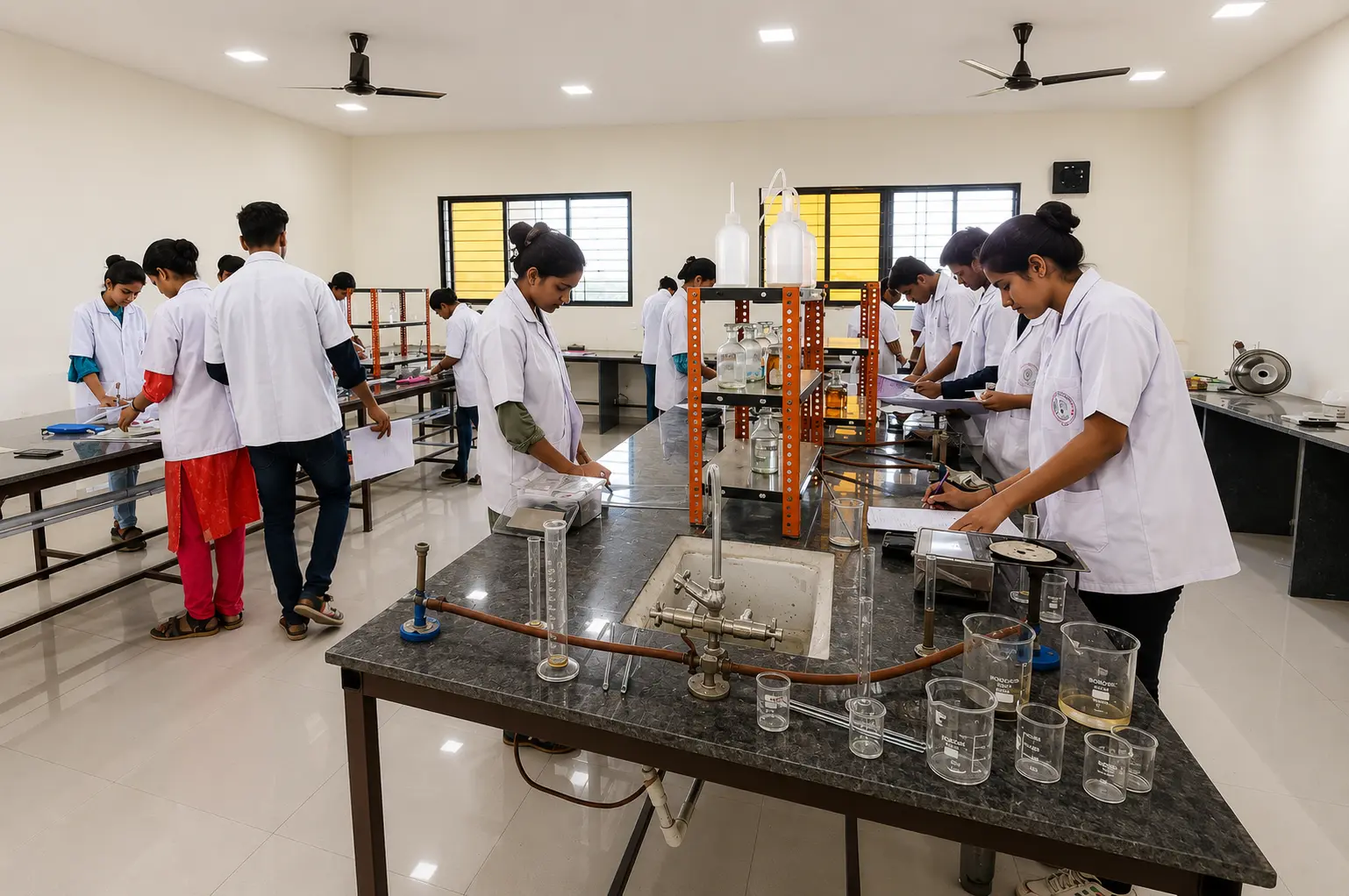
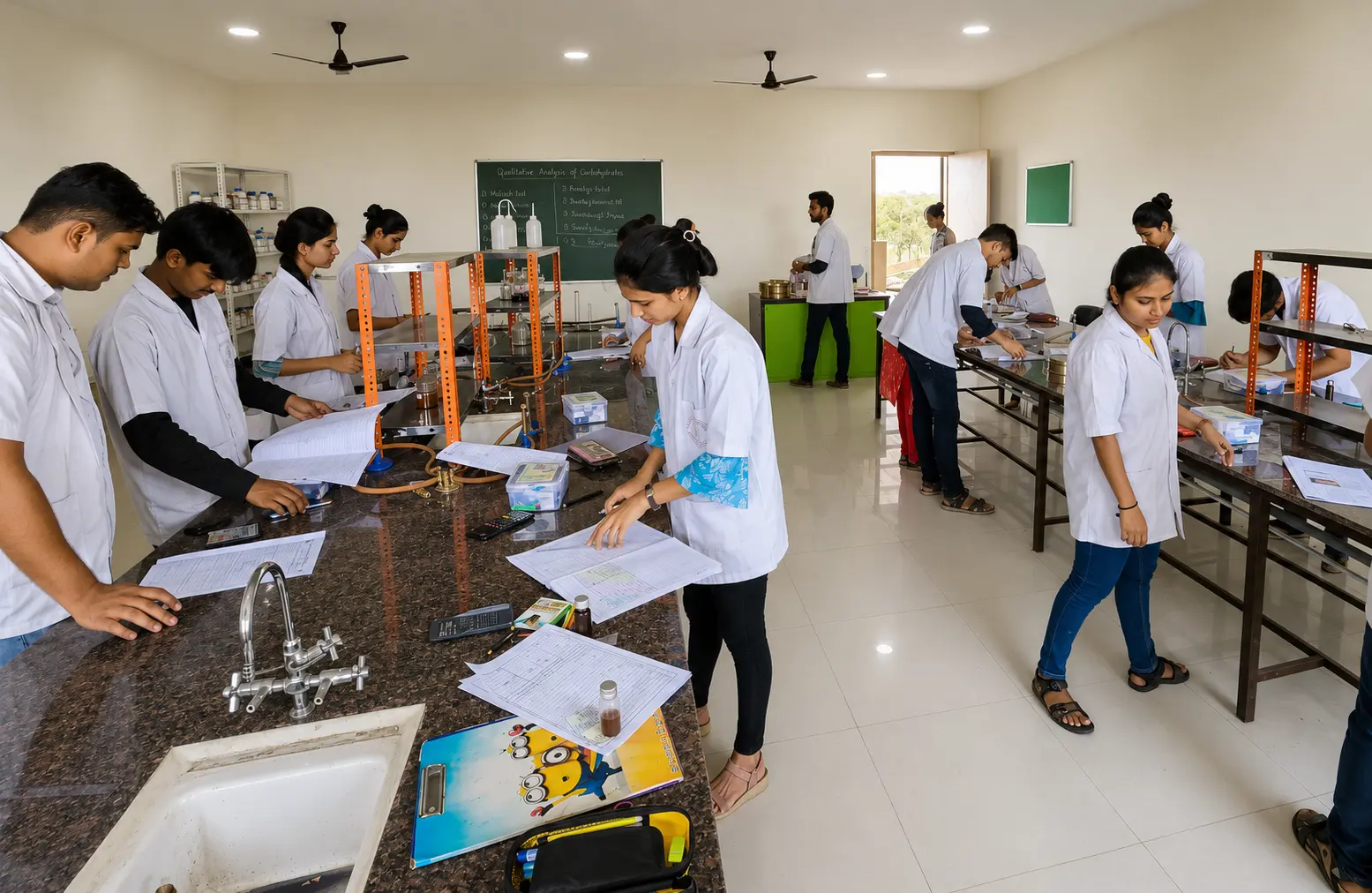
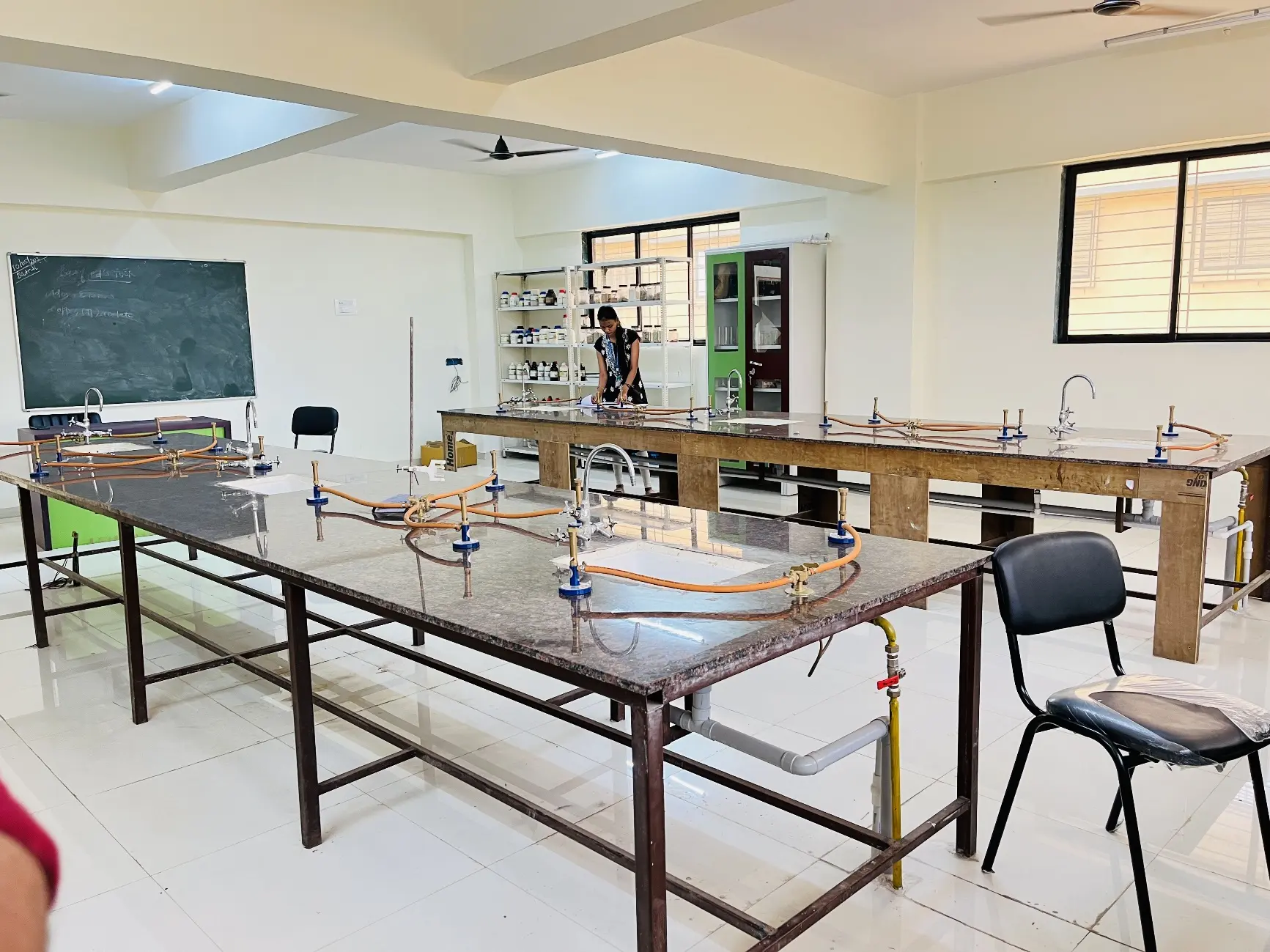
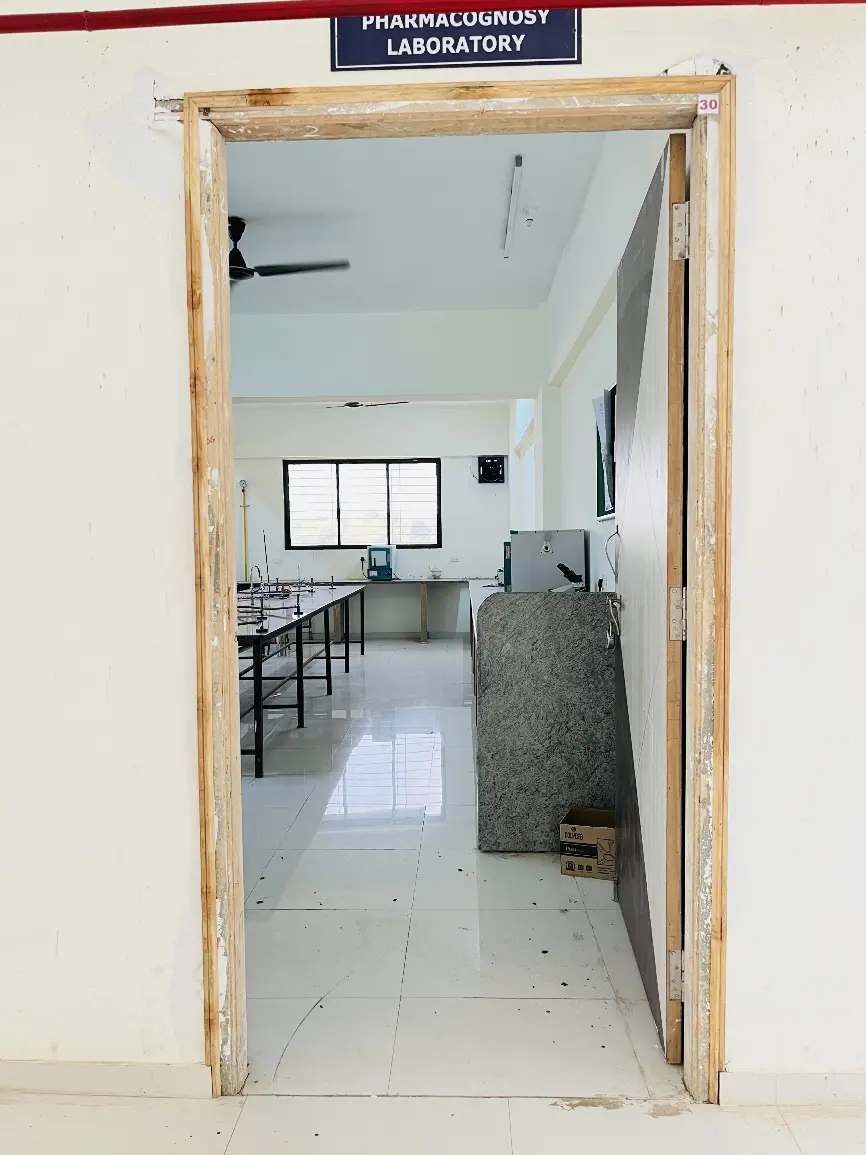
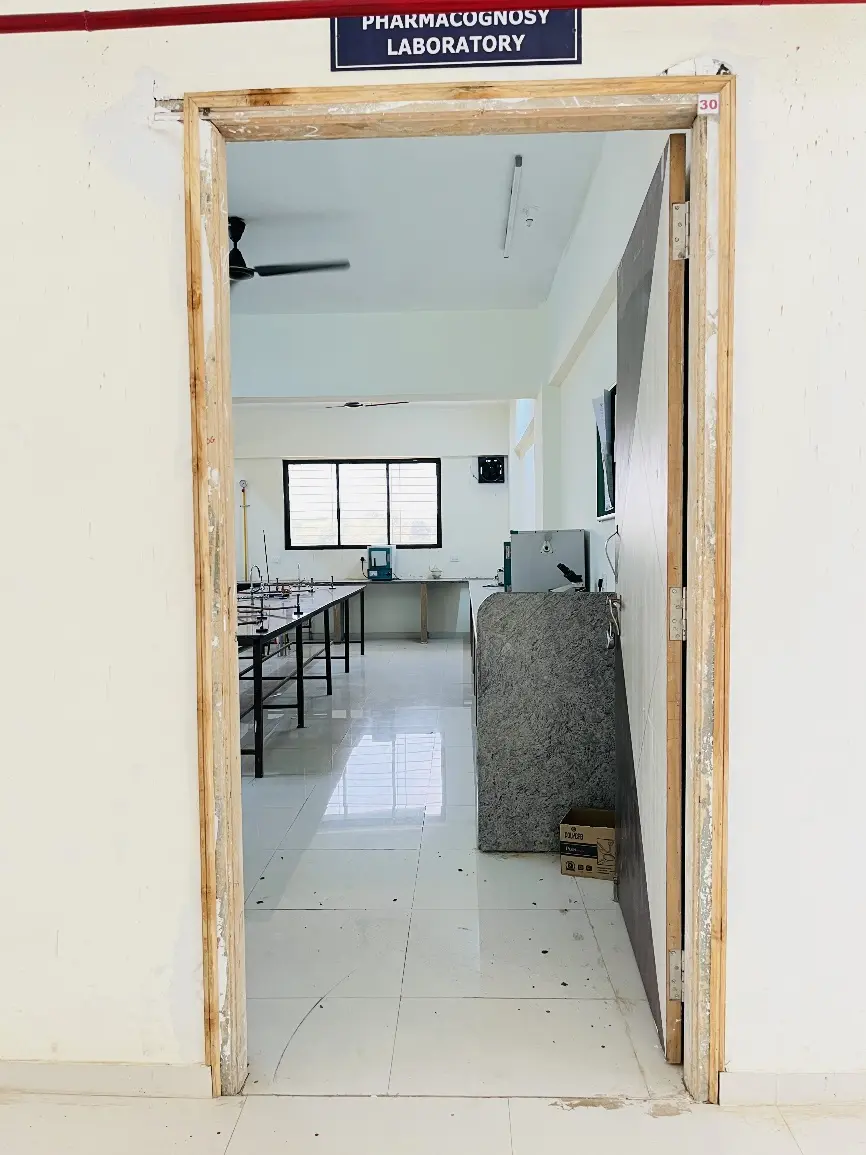
Students are guided in the science of naturally derived drugs, from macroscopic and microscopic authentication to modern phytochemical analysis. The Pharmacognosy and HCP Laboratory supports hands-on practical learning.
Purpose
Objectives
Build competence in natural drug science, crude drug authentication, and phytochemical analysis in line with pharmacopoeia and quality standards.
Outcomes
Programme Outcomes
Graduates of the Pharmacognosy programme will be able to:
- 1
Understand crude drug authentication techniques - macroscopic, microscopic, and chemical.
- 2
Apply phytochemical analysis methods in practical and research settings.
- 3
Identify and classify drugs of natural origin using standard monographs and pharmacopoeia references.
- 4
Develop skills for research-linked pathways in herbal medicine, natural product science, and quality control.
Gallery
Department Gallery
Photos from labs, events, and department activities.